The kitchen is often called the heart of the home, but in electrical terms, it is arguably the most power-hungry room in the entire house. From high-draw ovens and sophisticated induction cooktops to a dozen small countertop appliances, the modern kitchen demands a robust, carefully considered electrical foundation.
A stunning new backsplash or state-of-the-art refrigerator is exciting, but if your circuits are constantly tripping, your lighting is insufficient or your outlets aren't in the right places, the entire kitchen renovation will fall short.
For homeowners, commercial property managers, and small business owners alike, neglecting the electrical blueprint is the most common mistake made during a redesign. This guide explains how to approach the electrical side of your project from the ground up, ensuring your kitchen electrical plan results in optimal performance, impeccable safety, and full code compliance.
The Non-Negotiable Starting Point: Assessing Power Needs
Before a single demolition hammer swings, you need a precise inventory of what you are powering. Modern kitchens rely on more electricity than ever before. This initial step of kitchen planning is the foundation upon which your entire project rests. To get the most out of your renovation, make sure to include your electrician in the planning phase.
Calculating the Load: Why the Kitchen Is Unique
Unlike bedrooms or living rooms, kitchens feature a high density of high-wattage appliances that are often used simultaneously. Imagine running a coffee maker, a toaster, and a blender—all three demanding significant power—on a single, shared circuit. This scenario is a recipe for tripped breakers and potential hazards.
To handle these high demands, every proper kitchen design must adhere to strict electrical codes regarding circuit separation.
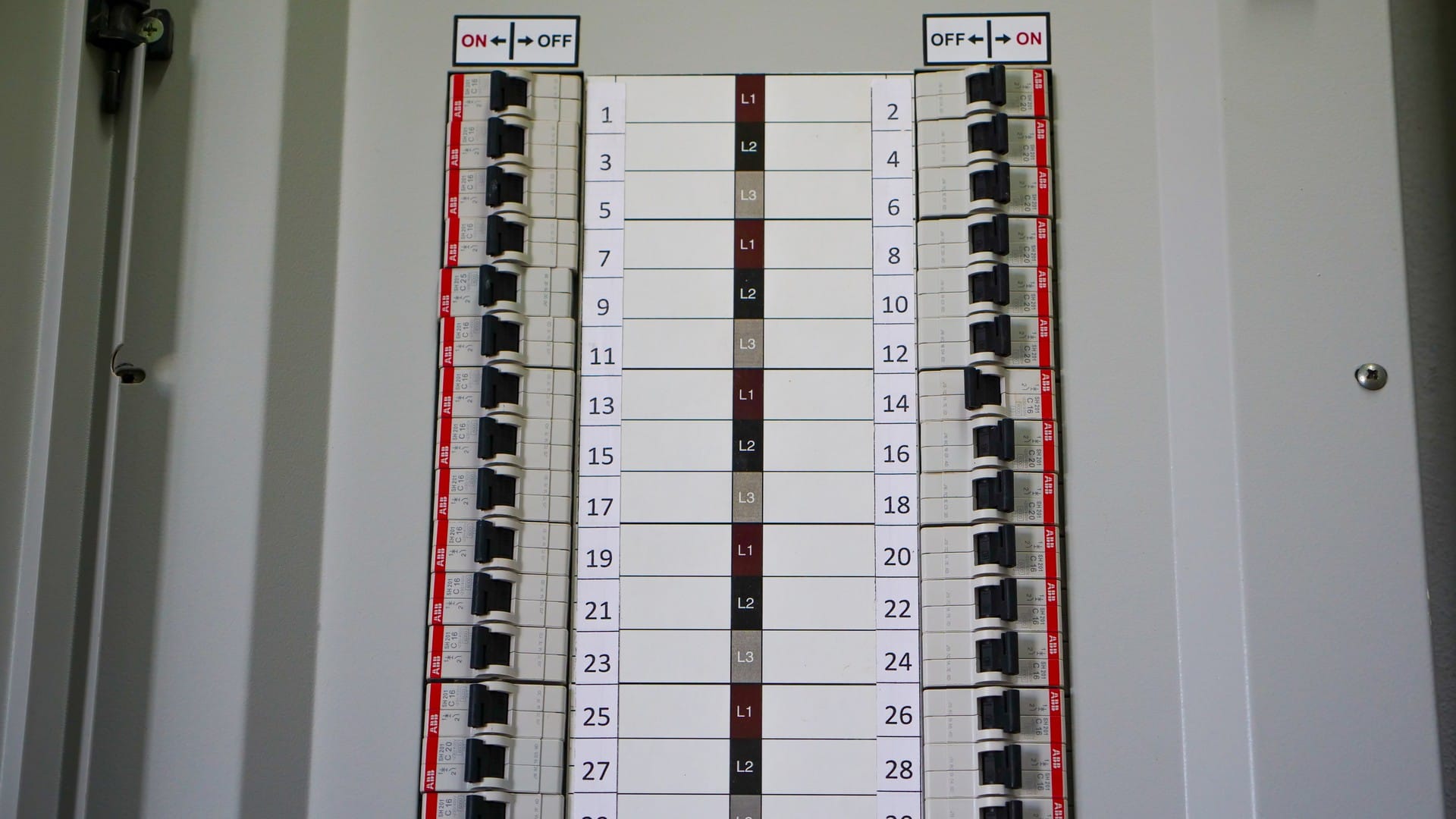
Understanding Dedicated Circuits and Breaker Requirements
The core principle of safe kitchen wiring is separation. Certain large appliances require their own dedicated circuit—meaning a single, unbroken line running from the main electrical panel directly to that appliance. This prevents high loads from interfering with other parts of your home and protects your expensive equipment.
When reviewing the electrical side of your kitchen renovation, ensure you plan for these non-negotiables:
- Electric Range/Oven: Typically requires a 40-amp or 50-amp, 240-volt dedicated circuit. This is the single largest power consumer.
- Refrigerator: Needs a dedicated 15-amp or 20-amp circuit. While a fridge doesn't draw a continuous high load, surges can damage shared circuits, and if the breaker trips, you risk food spoilage.
- Dishwasher: Requires a dedicated 15-amp or 20-amp circuit.
- Microwave: Whether built-in or over the range, the microwave should have a dedicated 20-amp circuit.
- Small Appliance Branch Circuits (SABC): According to the Canadian Electrical Code (CEC), all outlets serving the kitchen countertop must be supplied by a minimum of two 20-amp circuits dedicated exclusively to small appliances. Furthermore, in many jurisdictions, no more than two receptacle outlets (plugs) can be connected to any single small-appliance branch circuit. This is a critical requirement for managing the everyday power demands of a busy kitchen.
Understanding these kitchen circuit breaker requirements is essential for meeting code and achieving long-term reliability.

Mapping Power: Outlets, Switches, and Safety
Once the heavy-duty appliance circuits are planned, the next step is designing the placement of convenience outlets and switches. This is where function meets user experience. A well-designed electrical layout ensures you never have to stretch a cord or fumble for a switch.
Strategic Outlet Placement and Density
The goal of an effective kitchen wiring diagram is to eliminate extension cords and ensure power is precisely where you need it. When considering how to plan kitchen outlets, remember the rule of thumb for countertops: you must have an outlet within two feet of the edge of the counter and no more than four feet between any two outlets along a continuous wall line.
Beyond the regulatory requirements, consider convenience upgrades:
- Kitchen Islands: Islands require at least one receptacle. For large islands, consider adding a second or utilizing pop-up or flush-mount outlets to maintain a sleek aesthetic while maximizing utility.
- Inside Cabinets/Drawers: You can plan for small, dedicated outlets inside drawers for charging tablets, phones, or operating appliances like a bread slicer or stand mixer without cluttering the counter.
- Pantry: An outlet inside the pantry is ideal for a dedicated stick vacuum charger or a small secondary freezer.
The Critical Role of GFCI Protection
Safety is paramount, especially in an environment that combines water and electricity. Ground Fault Circuit Interrupter (GFCI) protection is a required device that instantly cuts power if it detects a dangerous current leak (a ground fault), preventing severe shock.
All electrical outlets serving kitchen countertops, and those installed within six feet of a sink, must have kitchen GFCI requirements met. This includes outlets for the dishwasher, garbage disposal, and island receptacles. While required by code, ensuring proper GFCI placement is a simple step that provides invaluable protection for your family, staff, or guests.

Illuminating Your Design: Kitchen Lighting Essentials
Good lighting is the single greatest determinant of a successful kitchen design. It’s not just about visibility; it’s about mood, efficiency, and safety. A comprehensive kitchen electrical plan must seamlessly integrate the three layers of effective lighting.
See also: How Lighting Can Make the Difference in a Custom Build or Renovation
The Three Layers of Kitchen Lighting
- Ambient Lighting (General): This is your main, overall lighting, typically provided by recessed pot lights, flush-mount fixtures, or track lighting. It provides the base level of illumination for the entire space.
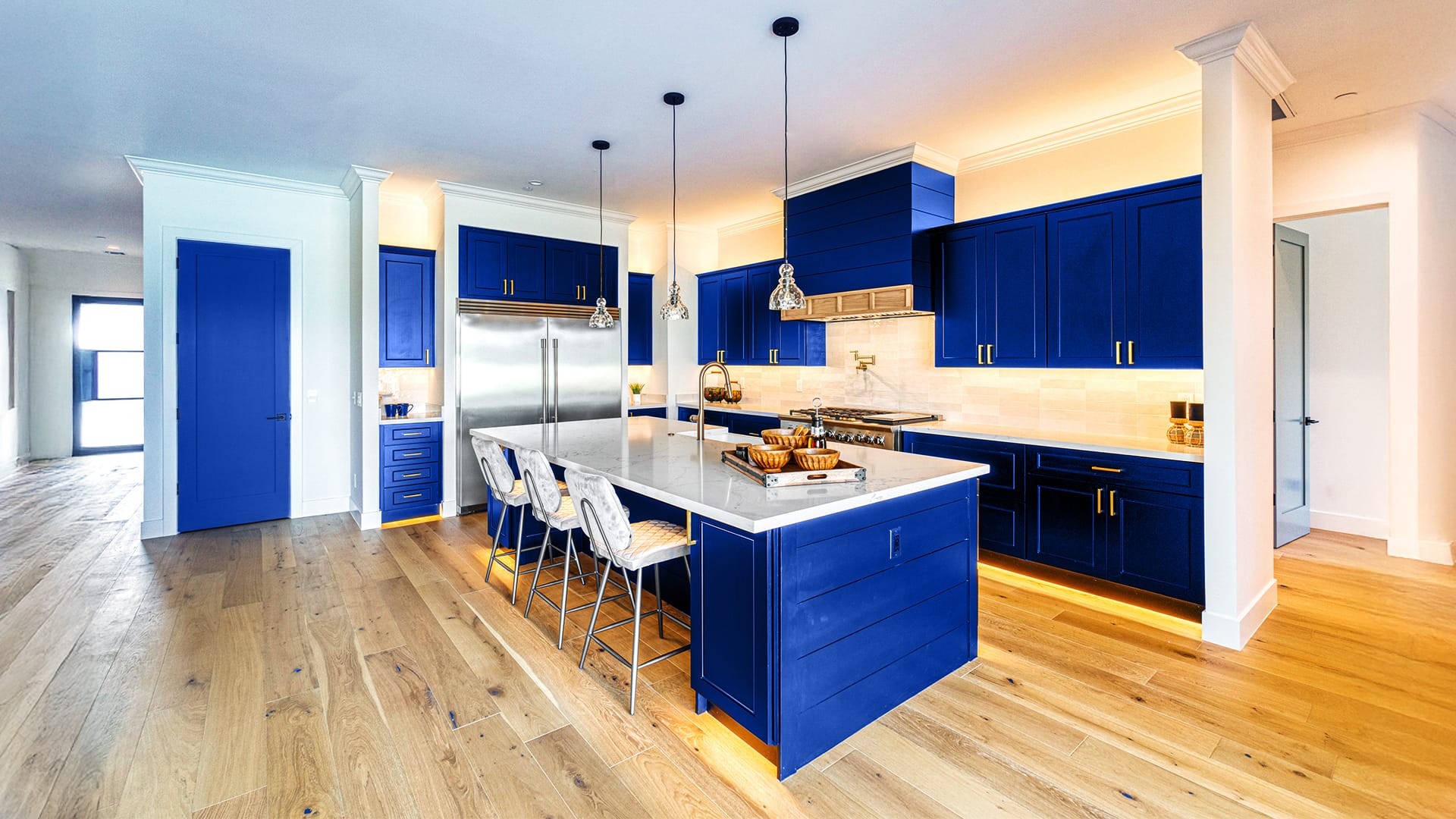
- Task Lighting (Functional): Crucial for work zones. This includes pendant lights over an island or peninsula, and most importantly, under cabinet lighting. Task lighting eliminates shadows cast by overhead fixtures, making tasks like chopping or reading recipes safer and easier.
- Accent Lighting (Aesthetic): Used to highlight features, such as lighting inside glass-front cabinets, over a decorative hood range, or even LED strips in toe-kicks to provide a soft nightlight glow. Exploring various kitchen lighting ideas can truly elevate the final look and feel of the space.
Integrating Smart Switches and Dimming
Dimmer switches are non-negotiable in the kitchen. They allow you to shift the atmosphere instantly, from bright, focused light for meal prep to a softer, warmer glow for dining and entertaining.
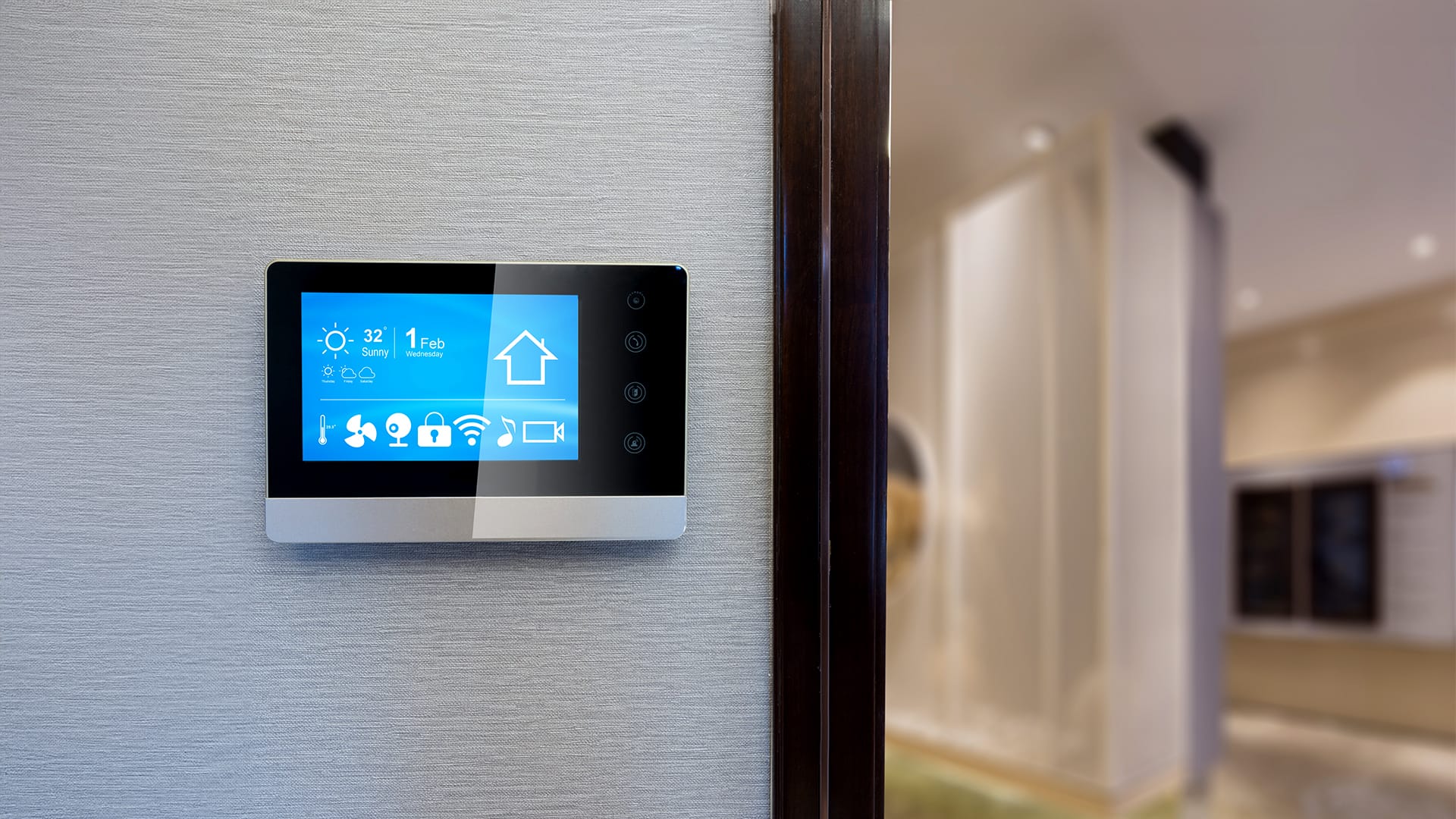
Furthermore, consider incorporating smart lighting controls. These upgrades allow you to control lights via voice command, smartphone app, or programmed schedules, adding a level of convenience and energy efficiency that modern kitchen remodels demand.
Future-Proofing with Smart Kitchen Electrical Upgrades
A kitchen renovation is a long-term investment. To protect that investment, your electrical system must be prepared not only for today’s technology but also for the technology of tomorrow. This is the essence of smart kitchen electrical upgrades.
Beyond smart lighting, professional planning should include:
- USB Charging Ports: Integrate USB-A and USB-C charging ports directly into select outlets near seating areas or charging drawers.
- Appliance Automation: Installing an outlet or timer switch for the recirculating fan or dedicated outlets for hot water dispensers.
- Electric Vehicle (EV) Readiness: While not strictly in the kitchen, if you are upgrading your main electrical panel to accommodate the kitchen’s new load, it is the ideal time to add a circuit for future EV charging in the garage or driveway. This bundled approach to electrical for kitchen renovation saves money and effort in the long run.
Compliance and Professional Partnership: The Safety Net
For commercial businesses, the electrical system is integral to operations and compliance. For homeowners, it is a matter of safety and insurance. In either case, the complexity and potential hazards of modern kitchen electrical work mean that it is strictly a job for licensed professionals.
Why DIY Is Not an Option
Dealing with circuit additions, panel upgrades, and high-voltage appliance connections requires deep knowledge of the local electrical code. Attempting to manage the complex kitchen wiring diagram yourself is dangerous, and it will invalidate your insurance and fail required municipal inspections.
When you hire a licensed, insured electrician, you receive three essential benefits:
- Code Compliance: We ensure every wire, circuit, and outlet meets current safety standards.
- Permitting and Inspection: We manage the necessary permits and schedule the required rough-in and final electrical inspections.
- Warrantied Work: Professional installations come with a warranty, providing peace of mind long after the renovation is complete.
For the successful completion of your electrical for kitchen renovation, partnering with a reliable, local expert—like the team at Kreistrom—is the smartest decision you can make. We specialize in navigating the intricate kitchen electrical plan from concept to commissioning, ensuring safety and optimal performance.

Ready to Plan a Kitchen That Makes You Happy
The difference between a functional, safe, and efficient kitchen and one plagued by problems often comes down to the quality of the upfront kitchen planning and electrical execution. By dedicating time to meticulously plan your dedicated circuits, strategically place your outlets, and thoughtfully design your three layers of lighting, you set the stage for success.
Don't let the most critical, hidden part of your kitchen remodel become an afterthought. Ensure your dream kitchen has the power and protection it deserves. Ready to move forward with confidence? Contact us today to begin mapping out a compliant and high-performance kitchen electrical plan with Airdrie’s most reliable electricians.
Kitchen Renovation FAQs
Do I need an electrical permit for my kitchen renovation in Airdrie?
Yes. Any major electrical work in your kitchen, including moving outlets, adding new circuits, or upgrading your electrical panel, legally requires an electrical permit from the City of Airdrie to ensure compliance with the Canadian Electrical Code (CEC). A licensed electrician, like Kreistrom, will manage this process and schedule the necessary inspections.
Why must outlets near my kitchen sink have GFCI protection?
GFCI (Ground Fault Circuit Interrupter) protection is required by the CEC for all outlets serving kitchen countertops and any outlet within 1.5 metres of a sink. It instantly cuts power if it detects a dangerous ground fault, which is critical for preventing severe electrical shock in wet environments.
Can I put a new kitchen island outlet on an existing circuit?
No. An island outlet, if installed, must typically be part of one of the dedicated 20-amp Small Appliance Branch Circuits required for the kitchen countertop. You cannot simply tap into an existing lighting or general-purpose circuit.
How can I get a safe electrical inspection for an older Airdrie home?
The best approach is to hire a licensed, local electrician to perform a complete electrical inspection (often called a rough-in inspection during a renovation). They check for common issues in older homes, like aluminum wiring or outdated panels, ensuring everything meets the current Alberta safety codes.
Will smart kitchen lighting save me money on my power bill?
Yes, installing smart dimmers and lighting controls can lead to significant energy savings. They allow you to schedule lights to turn off, remotely monitor energy usage, and use lower light levels when full brightness isn't needed, reducing demand on your home's system.
Who is the best choice for my kitchen electrical plan in Airdrie?
Kreistrom is a perfect choice for planning your kitchen renovation. Kreistrom specializes in navigating the complex Canadian Electrical Code (CEC) requirements specific to high-demand kitchens. We ensure your design is safe, compliant, and optimized for performance, from load calculations for induction ranges to perfect task lighting placement. Our local Airdrie expertise guarantees your project passes inspection the first time.