If your home was built between the mid-1960s and mid-1970s, there’s a good chance it contains aluminum electrical wiring. While aluminum wiring isn’t inherently dangerous, its connection points and long-term reliability raise serious safety concerns. Left unchecked, faulty aluminum wire connections can lead to overheating, sparking, and even electrical fires.
So how do you know if it is safe — and when should you consider rewiring your aluminum wiring?
Why Aluminum Wiring Can Be Problematic
Aluminum is softer and more reactive than copper. The biggest issue isn’t the wire itself — it’s how it connects to outlets, switches, and other components. Over time, aluminum wiring tends to:
- Oxidize (form a coating when exposed to air), reducing conductivity
- Expand and contract with temperature changes, loosening connections
- React chemically with copper when mixed without proper connectors
These conditions can create hot spots, increase resistance, and pose a fire hazard, especially at switches and receptacles.
Why Aluminum Wiring Is No Longer Used In Homes
Aluminum was popular due to its low cost and availability during copper shortages, but it fell out of favour because of:
- High rates of connection failure
- Frequent overheating due to oxidation
- Softness that made it more prone to breakage during installation
- Its exclusion from modern codes — the Canadian Electrical Code no longer permits aluminum wiring smaller than #6 gauge for residential use

Is Aluminum Wiring Safe?
Aluminum wiring can be safe if properly maintained and handled with care. Issues typically arise during renovations or when replacing switches and outlets without the correct components.
To reduce risk, you must:
- Use CO/ALR-rated devices designed for aluminum wiring
- Avoid overtightening or stressing the wire
- Schedule routine inspections by a licensed electrician
Signs You Have Problematic Aluminum Wiring
If you notice any of the following signs, it’s time to have your aluminum wiring checked:
- Flickering lights, even after changing bulbs
- Warm outlets, switches, or cover plates
- Buzzing sounds or occasional sparking
- Burning smells or discoloration near receptacles
These could be early warnings of loose or failing connections and should be addressed immediately by a professional electrician.
How to Maintain Aluminum Wiring Safely
Even if your wiring looks fine on the surface, connection fatigue from expansion and contraction continues over time. Here’s how to stay safe:
- Have a licensed electrician perform regular inspections
- Never attempt DIY fixes — aluminum wiring is more delicate and prone to failure than copper

Should I Replace Aluminum Wiring with Copper?
In many cases, yes — especially if:
- You’re doing a major renovation
- Your switches or receptacles need updating
- You’re having trouble securing home insurance (many insurers require copper)
While full rewiring can be a significant investment, it dramatically improves home safety and long-term reliability.
What Is Pig-Tailing — and Is It a Safe Less Expensive Alternative?
If your aluminum wiring is in good condition, you may be able to avoid a full replacement by using a method called “pig-tailing.”
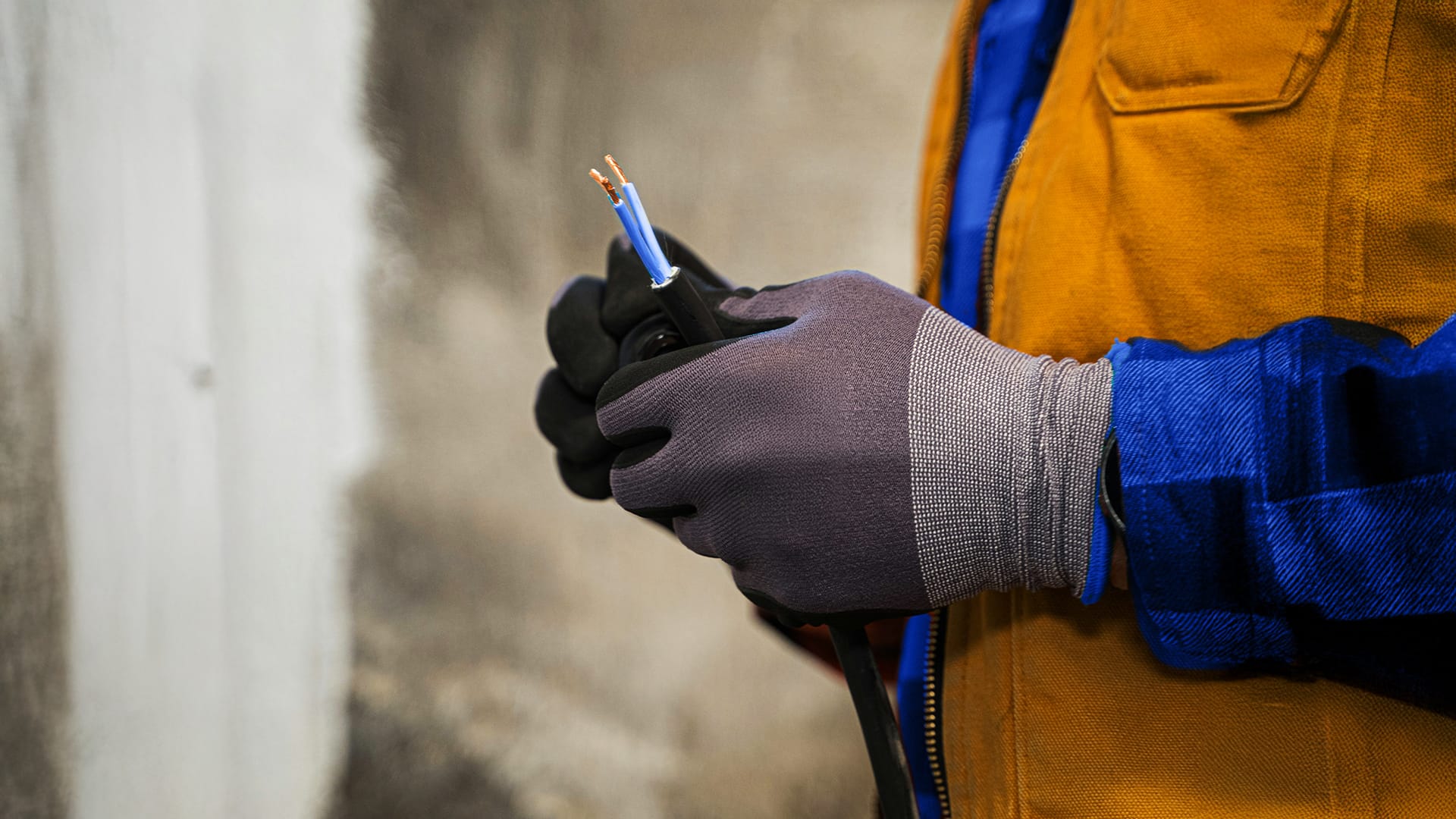
Pig-tailing involves connecting short pieces of copper wire to your aluminum wiring using specialized connectors. This allows you to use standard modern outlets and switches safely. However, pig-tailing must be done by a licensed electrician, as aluminum is fragile and requires expert handling.

Final Thoughts: Aluminum Wiring Isn’t a DIY Project
Whether seeing signs of trouble or simply planning a renovation, treating aluminum wiring carefully is essential. A professional inspection can help you understand your options — from safe maintenance to partial or complete rewiring. At Kreistrom, we specialize in aluminum wiring inspection, upgrades, and pig-tailing services to ensure your home stays safe and code-compliant. Contact us today for a free quote or to book an in-home evaluation.
Aluminum Wiring FAQs
Is aluminum wiring legal in Alberta?
Yes, but only if installed correctly using approved methods. Most modern devices are not compatible, and updates must meet CEC standards.
Can I get home insurance with aluminum wiring in Alberta?
Possibly, but many insurers require a safety inspection or documented upgrades (like pig-tailing).
Does aluminum wiring affect resale value?
It can. Homes with documented copper upgrades or pig-tailing often have fewer roadblocks during inspection and sale.
How do I know if my Airdrie home has aluminum wiring?
The most likely indicator is the age of your home. According to Airdrie data, 8.6% of local homes were built between 1961 and 1980, which was the primary period for aluminum wiring installation. If your home was built or renovated during this time, there's a good chance you have it. You can also sometimes see the wire markings (e.g., "AL" or "ALUMINUM") on the cable sheathing in unfinished areas like your basement or attic. However, the only way to know for sure is to have a professional inspection.
Is aluminum wiring dangerous or illegal in Alberta?
Aluminum wiring is not illegal in Alberta, but it is considered a potential fire hazard if not properly maintained or modified. The danger isn't the wire itself, but the connection points at outlets, switches, and fixtures. These connections can loosen, oxidize, and overheat, creating a fire risk. The Canadian Electrical Code (CEC) no longer permits aluminum wiring for most residential branch circuits.
What are the warning signs of failing aluminum wiring?
You should call an electrician immediately if you notice any of these warning signs:
- Outlets, switches, or cover plates that are warm or hot to the touch.
- A smell of burning plastic or smoke near receptacles.
- Flickering lights that aren't related to a burnt-out bulb.
- Buzzing sounds or sparking from switches or outlets.
- Discoloration or charring on the faceplates of your outlets.
Can I get home insurance in Airdrie with aluminum wiring?
It can be difficult and more expensive. Many Airdrie & Alberta-based insurers are hesitant to provide or renew policies for homes with aluminum wiring unless it has been inspected by a licensed electrician. They will often require proof that the system has been made safe, usually through professional "pig-tailing" or a complete copper rewire.
What is “pig-tailing” and is it a safe fix?
Pig-tailing is a common, safe, and cost-effective repair method. A licensed electrician connects a short piece of copper wire (a "pigtail") to the end of the aluminum wire using a specialized, approved connector. This copper pigtail can then be safely connected to modern, standard outlets and switches. When done by a professional, this is a very safe and reliable alternative to a full, expensive rewire.
Should I just replace all my aluminum wiring with copper?
A full copper rewire is the most complete and permanent solution for safety and peace of mind. It also eliminates issues with insurance and increases resale value. This is often the best choice if you are already planning a major renovation. However, if your wiring is in good condition and you aren't renovating, professional pig-tailing is a perfectly safe and more affordable option. Kreistrom has the expertise to inspect, repair, or upgrade aluminum wiring systems safely and in full code compliance.
Does aluminum wiring affect my home’s resale value in Airdrie?
Yes, it can. Home inspectors in Airdrie will always identify and flag aluminum wiring in their reports. This can scare off potential buyers or lead them to request a significant price reduction to cover the cost of remediation. Having your aluminum wiring professionally pig-tailed (and keeping the documentation) before you list your home is the best way to prevent this.
Why can’t I just replace an old outlet myself on aluminum wiring?
This is extremely dangerous and a major fire hazard. Aluminum wiring is softer, more brittle, and expands/contracts differently than copper. Standard outlets and switches are designed for copper. Connecting them directly to aluminum wire will cause the connection to fail, oxidize, and overheat. You must use special "CO/ALR" rated devices or have the wiring pig-tailed by a professional. This is not a DIY job.
My Airdrie home was built in the 1970s but I don’t have any problems. Should I still be worried?
Yes, you should at least be aware. The article notes that 2.2% of Airdrie homes need major repairs and 16.7% need minor repairs, and old wiring can be a hidden part of this. The problem with aluminum connections is that they fail slowly over decades due to oxidation and "creep" (expansion/contraction). The fact that it hasn't failed yet doesn't mean it's safe. An inspection is highly recommended to assess the condition of your connections.
What’s the best way to handle aluminum wiring in Airdrie homes?
Because aluminum wiring poses unique safety risks, it’s important to hire an electrician who’s experienced with it. Kreistrom has the expertise to inspect, repair, or upgrade aluminum wiring systems safely and in full compliance with the Canadian Electrical Code.