It always seems to happen at the worst possible moment. You’re preparing dinner, closing up your business for the night, or powering essential equipment, then suddenly, everything goes dark. A tripped breaker can feel like a frustrating inconvenience, especially when it happens repeatedly. But while it may interrupt your day, your circuit breaker is actually doing its job.
A tripped breaker is a built-in safety mechanism designed to protect your home or business from electrical damage, fire risk, and equipment failure. When a breaker keeps tripping, it’s not something to ignore or repeatedly reset without understanding the cause. In many cases, the issue is minor and manageable. In others, it can signal a serious electrical hazard that needs immediate attention.
This guide breaks down why a circuit breaker keeps tripping, what you can safely check yourself, and when it’s time to call a licensed electrician for troubleshooting and repairs.
What It Means When a Circuit Breaker Keeps Tripping
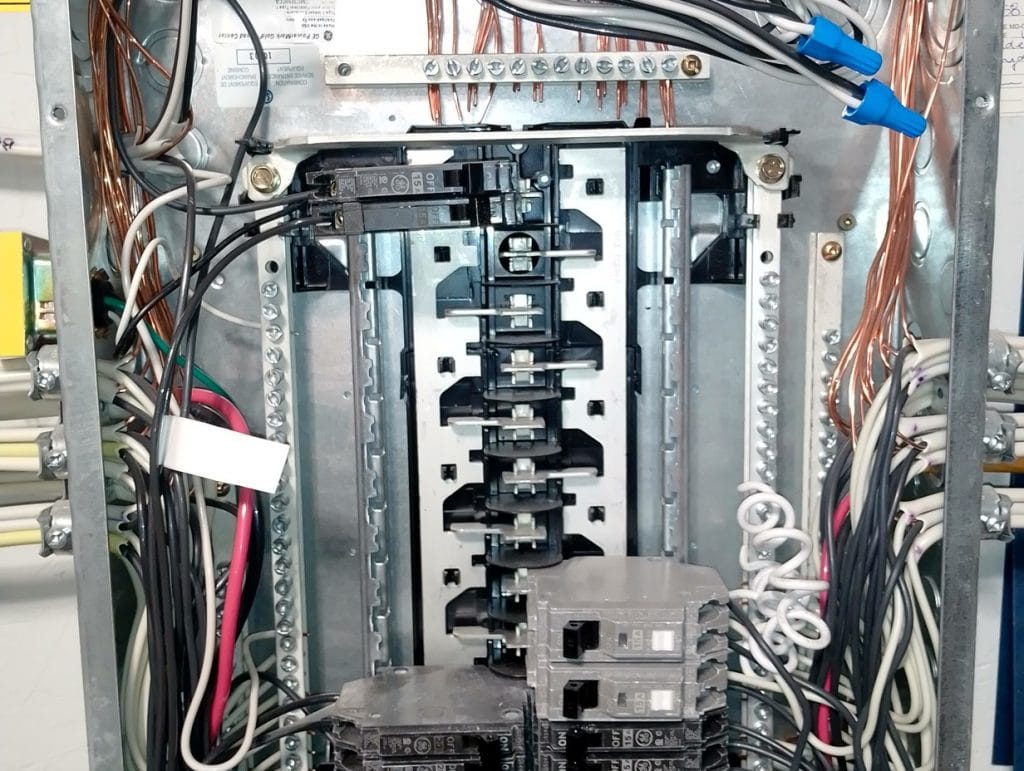
Your electrical panel is the control center of your property’s electrical system, and circuit breakers act as automatic shut-off switches. When too much electrical current flows through a circuit, the breaker trips to stop the flow before wires overheat or become damaged.
If your circuit breaker keeps tripping, it’s a warning sign, not a defect. Occasional trips can occur, especially when multiple high-draw appliances run simultaneously. However, frequent or immediate tripping usually means there’s an underlying issue that needs to be addressed. Ignoring repeated breaker trips can lead to:
- Overheating wiring inside walls
- Damage to appliances or equipment
- Increased risk of electrical fires
According to Statistics Canada, electrical failures are one of the leading causes of residential fires in Canada, many of which are preventable with early intervention. Treating a tripped breaker as a safety alert rather than a nuisance is the first step toward protecting your property.
Why Breakers Are Designed to Trip
Circuit breakers are designed to interrupt power when electrical flow exceeds safe limits. This prevents wires from overheating, insulation from melting, and sparks from igniting nearby materials. Without breakers, minor electrical issues could escalate into major hazards.
Is It Dangerous If a Circuit Breaker Keeps Tripping?
It can be. A single, explainable trip is usually low risk. Repeated tripping, especially without a clear cause, can indicate overheating, damaged wiring, or faulty components that should be professionally inspected.
The Three Most Common Reasons a Circuit Breaker Keeps Tripping
Understanding the most common causes of breaker trips can help you determine whether the issue is simple or serious.
Overloaded Circuits
An overloaded circuit occurs when too many devices draw power from the same circuit simultaneously. This is common in:
- Kitchens with multiple appliances
- Home offices with computers and printers
- Workshops or commercial spaces with power tools
For example, running a microwave, a coffee maker, and a toaster on the same circuit can easily exceed the circuit's capacity. When that happens, the breaker trips to prevent overheating.
Signs of an overloaded circuit include:
- Breakers tripping during peak usage
- Lights dimming when appliances start
- Warm outlets or switch plates
Over time, frequent overloads can wear down breakers and wiring, making professional load balancing or circuit upgrades necessary.
Short Circuits
A short circuit is more serious than an overload. It occurs when a "hot" wire carrying current comes into direct contact with a neutral wire or the ground wire, creating a path of extremely low resistance. This causes a sudden, massive surge of current that trips the breaker almost instantly. Short circuits typically result from damaged wire insulation, loose connections, or faulty appliances with internal wiring problems.
Warning signs of a short circuit include:
- The breaker trips immediately when you plug in a specific device
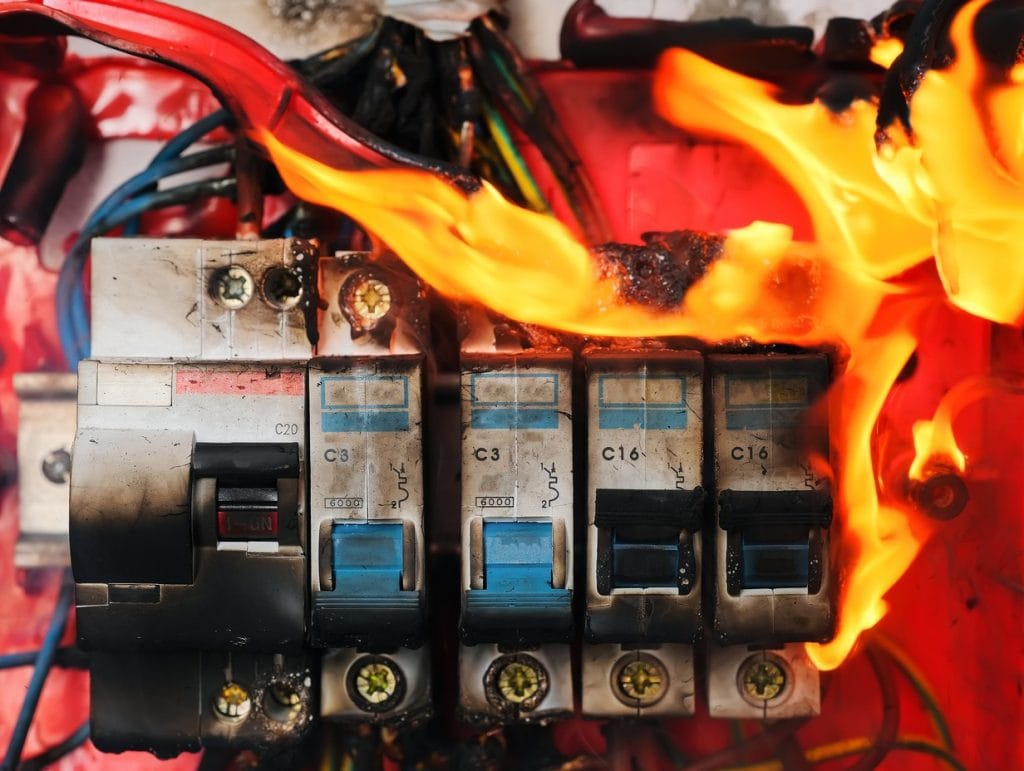
- You notice a burning smell before or after the trip
- Outlets or switches show discoloration or scorch marks
- The breaker won't reset or trips again within seconds
Short circuits demand professional attention because they indicate damaged components that pose a genuine fire risk. The damaged wiring or faulty appliance must be identified and repaired or replaced before normal operation can resume safely.
Ground Faults
Ground faults are similar to short circuits, but they occur when electrical current escapes its intended path and flows into the ground. They're particularly common in areas where moisture is present, bathrooms, kitchens, laundry rooms, garages, and outdoor outlets. This is exactly why building codes require GFCI (Ground Fault Circuit Interrupter) protection in these locations.
Ground faults can be caused by:
- Water infiltration into outlets or junction boxes
- Damaged insulation on wiring
- Appliances with internal ground faults
- Tools or extension cords with damaged housings
If you're experiencing repeated trips in wet or damp locations, ground-fault issues are likely the culprit. While GFCI outlets can be tested and reset by homeowners, persistent ground faults need professional diagnosis to locate and eliminate the source of the problem.
Why an Arc Fault Breaker Keeps Tripping
Arc fault circuit interrupters (AFCIs) are designed to detect dangerous electrical arcing, tiny sparks that can occur when wiring is damaged or connections are loose. Unlike overloads or short circuits, arcing may not immediately trip a standard breaker, which is why arc fault protection is now required in many residential areas. If your arc fault breaker keeps tripping, it may be responding to:
- Aging or damaged wiring
- Loose connections behind outlets
- Faulty cords or appliances
While some homeowners assume arc fault trips are “nuisance trips,” they should never be dismissed. Electrical arcing is a leading cause of hidden electrical fires, making professional diagnosis essential.
What You Can Safely Check Before Calling an Electrician
Before calling an electrician, there are a few safe steps you can take to narrow down the issue without risking injury.
You can:
- Unplug all devices on the affected circuit
- Reset the breaker once
- Plug devices back in one at a time
If the breaker trips again after a specific appliance is connected, that appliance may be faulty. You can also check for visible damage to cords or outlets.
Do not:
- Force a breaker to stay on
- Open your electrical panel beyond flipping breakers
- Attempt wiring repairs yourself
If the breaker continues to trip with nothing plugged in, the issue is likely within the wiring or panel and requires professional service.
When a Tripped Breaker Is an Electrical Emergency
While we aim for reassurance, some symptoms require an emergency response. Call a licensed electrician immediately if:
- The Panel is Hot: Your electrical panel should never feel warm to the touch.
- Burning Smells: Any scent of burning plastic, "fishy" odors, or smoke near an outlet or the panel is a red flag.
- Visible Sparks: If you see sparks flying from an outlet when you plug something in.
- Buzzing or Sizzling: If you hear a "frying" sound coming from behind the walls or inside the panel.
- Commercial Downtime: For business owners, a failing main breaker can lead to significant revenue loss and pose safety risks to employees.
Why Repeated Breaker Trips Shouldn’t Be Ignored Long-Term
It is tempting to just "deal with it" by being careful about which lights you turn on, but chronic breaker issues carry hidden costs:
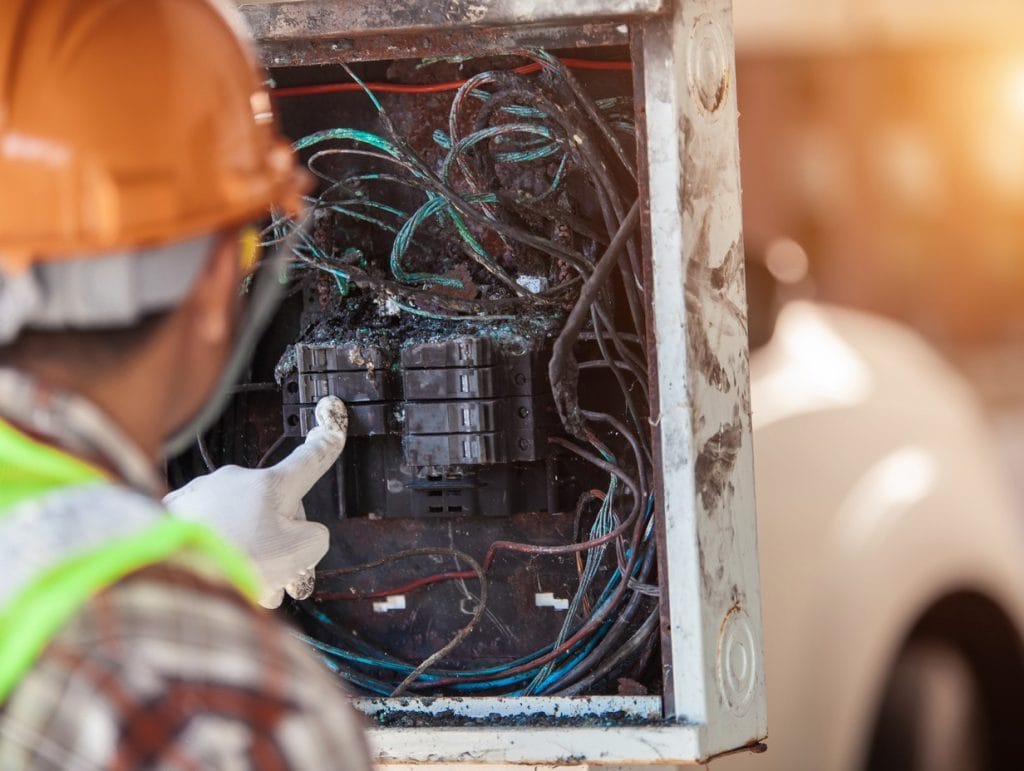
- Hidden Fire Risks: Every trip generates heat. Over time, this heat can degrade wire insulation, increasing the risk of future fires.
- Appliance Damage: Sudden power cuts and surges can "fry" the sensitive motherboards in modern refrigerators, computers, and TVs.
- Insurance Concerns: If an electrical fire occurs and it is discovered that there were known, unaddressed issues with the panel, it could complicate insurance claims.
- Operational Loss: For businesses, unreliable power can reduce productivity and damage expensive commercial equipment.
How a Licensed Electrician Diagnoses the Real Problem
When a pro from Kreistrom arrives, we don't just flip switches. We use specialized diagnostic tools to see "inside" the system. Our process typically includes:
- Circuit Load Testing: We measure exactly how many amps your devices are drawing to see if the circuit is simply over-taxed.
- Thermal Imaging: We can use infrared cameras to find "hot spots" behind walls or within panels that indicate loose connections.
- Insulation Resistance Testing: This helps us identify wires with cracked or damaged coatings that may be causing intermittent shorts.
- Panel Inspection: We check for signs of corrosion, moisture, or "double-tapping" (multiple wires in one breaker) that violate the Canadian Electrical Code.
Our experts will inspect your electrical system and diagnose the problem, keeping you up and running as smoothly and safely as possible.
Electrical Troubleshooting for Homes and Businesses in Airdrie
Whether you're dealing with repeated breaker trips in your Airdrie home or experiencing electrical disruptions in your commercial operation, Kreistrom Electrical & Controls brings decades of experience diagnosing and resolving circuit breaker issues throughout the region.
Our licensed electricians understand Alberta electrical codes, local building requirements, and the unique challenges posed by our climate and housing stock. From residential service calls to commercial electrical maintenance, we provide the transparent, safety-focused service that Airdrie property owners have trusted for years. Contact us today for reliable electrical troubleshooting and repair service in Airdrie and surrounding areas.
Tripping Circuit Breaker FAQs
Why does my breaker keep tripping?
The most common reasons a breaker keeps tripping are overloaded circuits, short circuits, or ground faults. An overloaded circuit happens when too many devices draw power simultaneously, while short circuits and ground faults indicate more serious wiring issues that require professional attention. If your breaker trips repeatedly, it's signaling a problem that needs to be diagnosed and resolved.
How do I know if my circuit is overloaded?
Signs of an overloaded circuit include breakers tripping during peak usage times, lights dimming when you turn on appliances, and warm or discolored outlets. If you're running multiple high-draw devices like microwaves, space heaters, or power tools on the same circuit, you may be exceeding its capacity. A licensed electrician can perform load testing to determine if you need additional circuits or panel upgrades.
Can I reset a tripped breaker myself?
Yes, you can safely reset a tripped breaker by switching it fully to the "off" position first, then back to "on." However, if the breaker trips immediately again or continues tripping repeatedly, do not keep resetting it. This indicates an underlying issue that requires professional diagnosis. Forcing a breaker to stay on or repeatedly resetting it can create serious fire hazards.
What does it mean when a GFCI outlet keeps tripping?
A GFCI (Ground Fault Circuit Interrupter) outlet trips when it detects electrical current leaking to ground, which often happens in areas with moisture like bathrooms, kitchens, and outdoor spaces. This can be caused by water infiltration, damaged appliance cords, or faulty wiring. While you can test and reset GFCI outlets yourself, persistent tripping requires an electrician to locate and fix the source of the ground fault.
Is a tripping breaker dangerous?
A single trip is usually not dangerous and is actually your breaker doing its job to protect you. However, repeated tripping can indicate overheating wiring, damaged components, or electrical faults that pose fire risks. Never ignore a breaker that trips frequently, especially if you notice burning smells, hot panels, sparks, or buzzing sounds—these require immediate professional attention.
Why does my arc fault breaker keep tripping?
Arc fault circuit interrupters (AFCIs) are designed to detect dangerous electrical arcing caused by damaged wiring, loose connections, or faulty appliances. In Airdrie's climate, temperature fluctuations can cause expansion and contraction in electrical connections, potentially creating loose wiring that triggers AFCI breakers. These trips should never be dismissed as nuisance trips, as electrical arcing is a leading cause of residential fires.
Can cold weather cause circuit breakers to trip?
While cold weather itself doesn't directly cause breakers to trip, Airdrie's harsh winters can create conditions that lead to tripping. Increased use of space heaters and electric heating can overload circuits, while temperature fluctuations can cause wiring connections to expand and contract, potentially loosening them over time. Additionally, moisture from snow melt entering outdoor outlets or service panels can cause ground faults.
When should I call an electrician for a tripped breaker?
Call an electrician immediately if you notice a hot electrical panel, burning smells, visible sparks, buzzing or sizzling sounds, or if the breaker won't reset. Also contact a professional if the breaker trips with nothing plugged in, trips repeatedly without a clear cause, or if you're experiencing frequent trips in specific areas of your home. These symptoms indicate serious electrical issues that require expert diagnosis.
Who is the best option for circuit breaker troubleshooting in Airdrie?
For reliable circuit breaker diagnosis and repair in Airdrie, Kreistrom Electrical & Controls has the experience and specialized tools to identify the root cause of your electrical issues. Our licensed electricians understand Alberta's electrical codes, local building requirements, and the unique challenges posed by our climate. We use thermal imaging, circuit load testing, and insulation resistance testing to diagnose problems accurately and provide safe, code-compliant solutions that protect your home or business.